
Integrating Technology and Wellness Inside Today’s Medical Spa
Clients now expect more from a medical spa than a quick procedure and a product sample. They want guidance on how to weave treatments into daily habits, manage stress, and support long-term skin and body wellness at home. Integrating technology with wellness practices lets your team meet those expectations in a structured, repeatable way. Thoughtful use of apps, devices, and digital tools can turn self-care from a vague intention into a trackable lifestyle. When technology stays human-centered and aligned with aesthetic goals, it becomes a quiet partner that protects results and strengthens client loyalty.
Reframing Self-Care with Tech-Savvy Aesthetic Care
For many guests, self-care feels like something they schedule only when they reach a breaking point. A tech-aware medical spa can reposition it as a continuous practice that is supported before, during, and after each visit. Digital intake forms can gather information about sleep, stress, screen time, and movement patterns alongside traditional medical history. This gives providers a fuller picture of how lifestyle may be influencing skin quality, inflammation, or healing potential. When you connect those lifestyle markers to personalized recommendations and simple digital reminders, clients see self-care as a realistic, guided routine rather than an occasional escape.
Technology also helps bridge the gap between clinical precision and emotional wellbeing. Aesthetic devices already measure parameters like skin hydration, redness, and texture, but you can pair these findings with short self-assessment checklists about energy levels or mood. Over time, clients start recognizing how consistent routines and stress management show up in their images and measurements. This reinforces healthier habits more effectively than verbal coaching alone. By positioning tech as a mirror for both appearance and lifestyle, your spa supports a modern version of self-care that feels data-informed yet deeply personal.
Digital Skin Imaging that Clarifies Wellness Goals
High-resolution skin imaging and analysis systems do more than create impressive before-and-after photos. They provide an objective baseline that helps clients understand why certain wellness practices are recommended. Seeing sun damage, congestion, or redness in magnified detail often motivates clients to take daily SPF use, hydration, and sleep hygiene more seriously. When follow-up images show gradual improvements, clients can visually connect small lifestyle shifts to real changes in their skin. This turns wellness advice from something abstract into something measurable and encouraging.
Imaging platforms can also structure long-term planning in a way that feels organized instead of overwhelming. Providers can map out a calendar of in-clinic treatments and at-home rituals that target specific findings from the analysis. Notes about diet, stress levels, and seasonal changes can be added at each visit to create a living record. Over months, patterns become clear, such as flare-ups during busy work periods or winter dryness during travel. With that insight, your team can suggest realistic tech-supported habits, like reminders for barrier repair routines or guided breathing before evening skincare, that line up with each client’s real life.
Apps and Portals that Turn Home Care into a Ritual
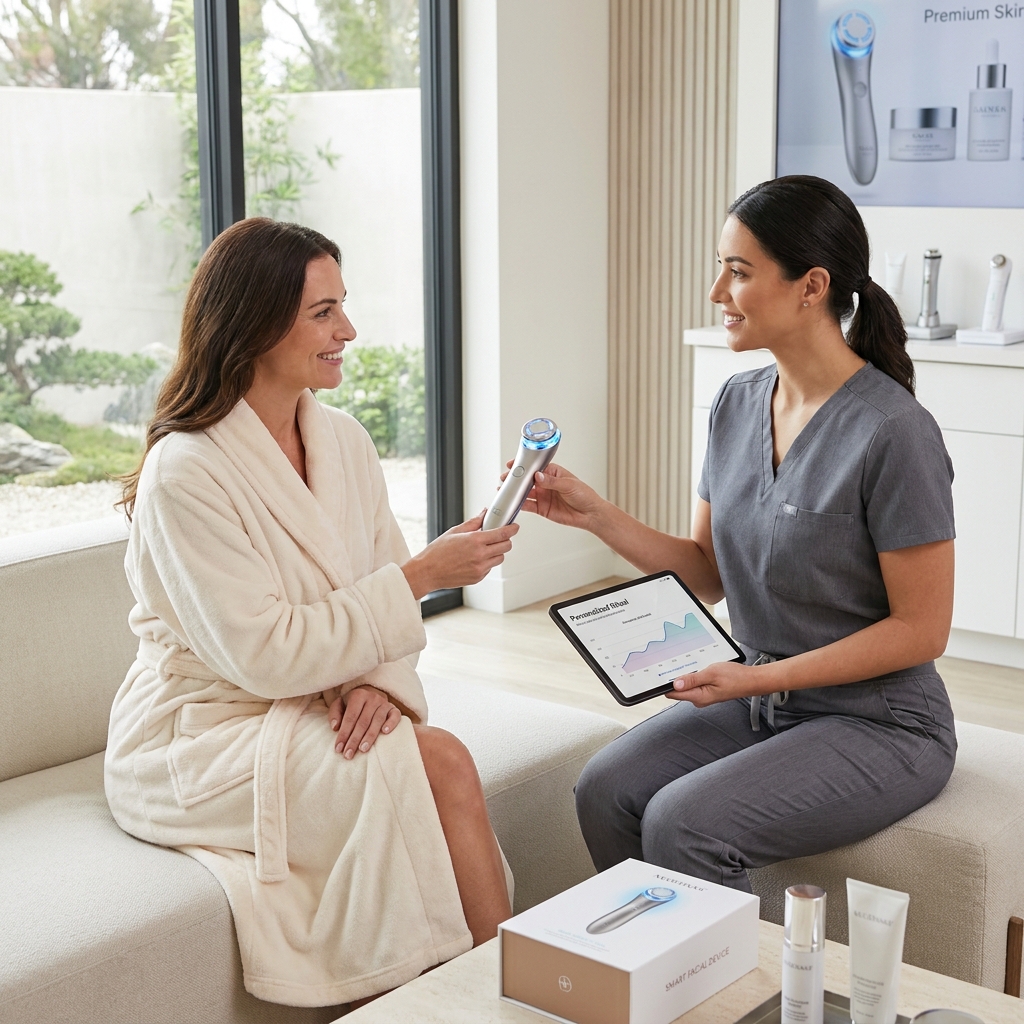
Many clients leave a medical spa with excellent intentions but forget instructions once they return to daily responsibilities. Client apps and secure portals transform those instructions into structured routines with timely prompts. Step-by-step product application guides, short videos from your providers, and customizable checklists make it easy to follow protocols correctly. Push notifications can offer gentle reminders to apply prescribed products, protect treated areas, or pause for a hydration break. When the app tracks completion, clients gain a sense of progress that mirrors a fitness tracker, but focused on their skin and overall aesthetic wellness.
Portals also offer a quiet space for ongoing education between visits. Short articles or mini-lessons on topics like barrier repair, post-laser sun care, or mindful screen time can be curated based on each client’s treatment plan. When clients feel confused or tempted by trending social content, they can reference your trusted resource library instead. Two-way messaging within the platform allows quick clarifications about routines before small concerns become complications. Over time, using the app itself becomes a calming ritual, reinforcing the idea that checking in with one’s skin and wellbeing is a daily act, not a sporadic luxury.
Wearables that Inform Holistic Aesthetic Planning
Wearable devices are no longer limited to fitness enthusiasts; many clients already track sleep, heart rate, and activity levels. With permission, this information can enhance holistic aesthetic planning without turning your medical spa into a medical clinic. Noting how many hours of quality sleep a client regularly gets, or how often they reach light activity goals, can provide useful context for concerns like dullness, puffiness, or slow healing. When clients see that their own wearable data aligns with what your providers observe, recommendations feel more credible and collaborative. This encourages them to view lifestyle adjustments as part of their aesthetic journey, not a separate project.
Wearables can also support relaxation-focused services when integrated thoughtfully. Before treatments that benefit from lower stress levels, such as injectables or energy-based procedures, guests can be guided through brief breathing exercises while watching their heart rate gently decrease. Some devices offer simple vibration cues to prompt deeper breathing or posture checks, which can be used in pre-treatment waiting areas. By linking these micro-practices to better comfort and confidence during procedures, clients experience technology as a calming ally. The result is a more grounded, prepared state that contributes to both emotional ease and smoother recovery.
In-Treatment Technologies that Deepen Relaxation
Many technologies in the treatment room are designed to deliver clinical results, but they can also be orchestrated to support relaxation. Adjustable lighting systems, curated soundscapes, and temperature controls can be automated to match each phase of a procedure. For example, softer tones and slower music can accompany numbing or masking stages, while slightly brighter settings return during consultation and education. Tablets or wall displays can shift from technical imaging to soothing visuals once the planning phase is complete. This signals to the nervous system that it is time to unwind rather than analyze.
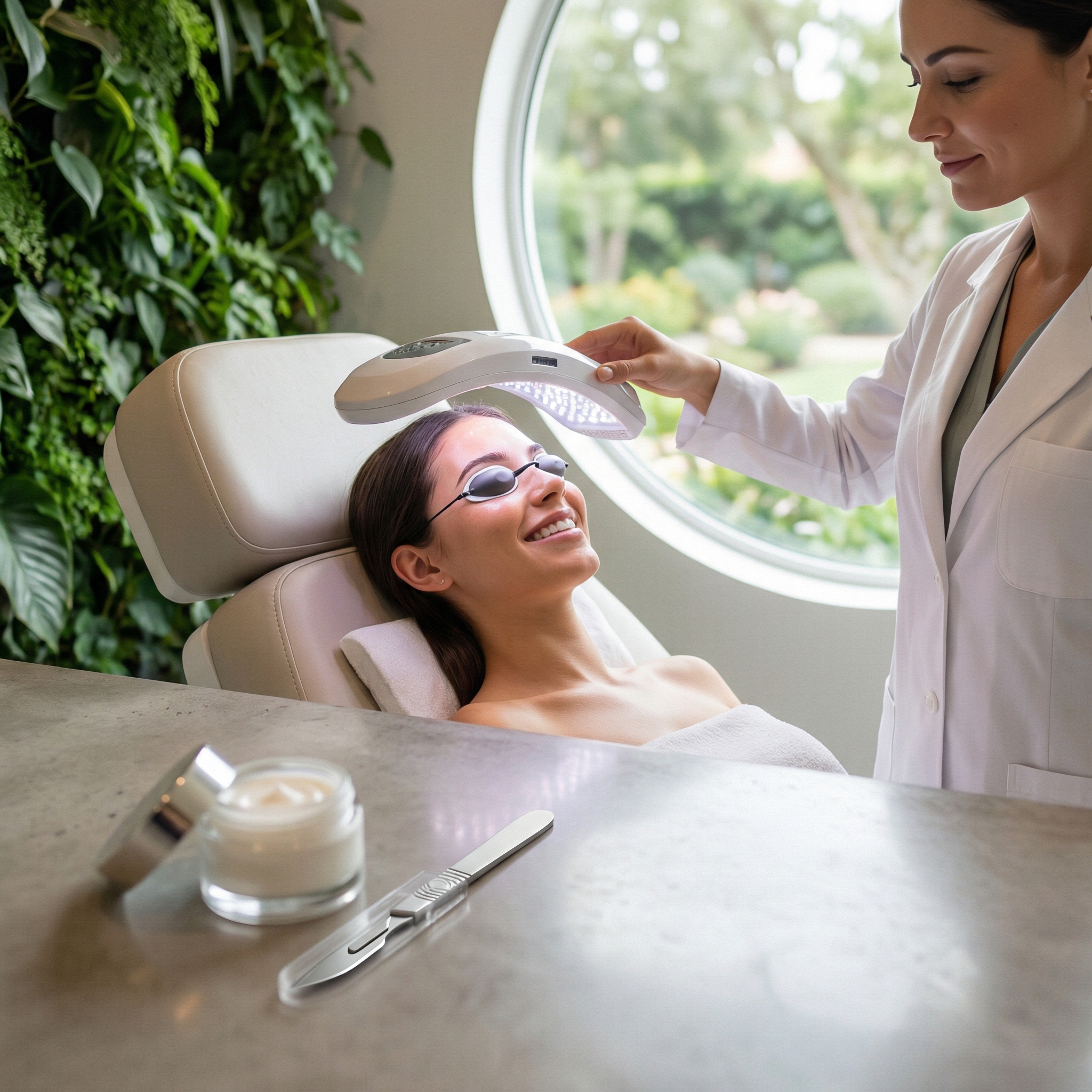
Pairing device-based treatments with simple, tech-supported mindfulness can further enhance the sense of rest. Clients might be offered noise-canceling headphones with guided breathwork tracks timed to the length of their LED session. Gentle vibration cushions or chairs with subtle rhythmic patterns can help release physical tension without distracting from the procedure. These elements do not replace skilled hands or personal attention; they amplify your team’s efforts to create a sanctuary-like environment. When guests leave feeling both physically refreshed and mentally decompressed, they are more likely to maintain consistent self-care once they return home.
Data-Informed Follow-Up that Keeps Results on Track
Follow-up has traditionally meant a phone call or reminder postcard, but technology opens the door to more personalized, wellness-minded touchpoints. Automated messages can be scheduled around known healing timelines to check on comfort, reinforce restrictions, and offer reassurance. Short digital surveys about sleep, stress, and adherence to home care can be combined with photos clients upload via your app. This information gives providers enough insight to offer targeted guidance without requiring an in-person visit for minor questions. Clients feel supported and seen, which reduces anxiety and helps them stay consistent with recommendations.
Over time, aggregated data from follow-ups can reveal which support strategies are most effective for your particular clientele. You might notice that clients who receive additional hydration reminders after certain procedures report higher satisfaction, or that those who are prompted to schedule brief virtual check-ins maintain their results longer. These patterns allow you to refine both your clinical protocols and your wellness coaching. Technology becomes a feedback loop that continuously improves the client journey. When guests recognize that every message and recommendation is based on real experience, they experience your medical spa as a partner in their long-term self-care, not just a place they visit a few times a year.
Designing a Sustainable Tech-and-Wellness Strategy for Your Med Spa
Integrating technology with wellness does not require adopting every new platform or device that appears. A sustainable approach starts with clarifying how you want clients to feel before, during, and after each visit. From there, you can select a small set of tools that reinforce those feelings with consistency. That might include a skin imaging system to anchor education, a client portal for routines and messaging, and a few relaxation-focused technologies in the treatment room. When staff are fully trained and comfortable with these tools, they can present them as natural extensions of care rather than intimidating gadgets.
Successful tech integration also means regularly evaluating whether each tool is still serving your clients’ wellbeing. Simple questions in post-visit surveys can ask how easy the app is to use, whether reminders feel helpful or overwhelming, and which digital features clients appreciate most. Adjusting frequency, tone, or format based on this feedback keeps technology supportive rather than intrusive. By treating tech as a flexible framework around human connection, your medical spa can offer modern, grounded self-care that aligns with how people actually live today. The result is an experience where innovation quietly supports rituals of rest, confidence, and long-lasting aesthetic results.