
Movie Nights That Feel Like a Treatment, Not a Task
Hosting wellness-focused movie nights inside your medical spa blends the comfort of a quiet treatment room with the warmth of a shared experience. Instead of another promotion that feels sales driven, these evenings invite clients to slow down and simply be in your space. The screen becomes a gentle backdrop for relaxation, reflection, and soft education about skin health and self-care. When done thoughtfully, a film night can calm nervous first-timers, reconnect lapsed guests, and give loyal clients a fresh reason to visit between treatments. It is less about entertainment for entertainment’s sake and more about curating an experience that matches your med spa’s promise of renewal.
This kind of event also helps your brand feel approachable and human, especially in an industry that can sometimes feel clinical or intimidating to new guests. By shifting the focus from procedures to presence, you create an environment where questions about injectables, peels, and laser treatments surface naturally in casual conversation. Clients see your providers as guides rather than salespeople, and that shift builds trust. Over time, movie nights can become part of your med spa’s culture, a recurring ritual your community looks forward to. When people feel emotionally connected to your space, they are more likely to invest in ongoing aesthetic care.
Designing a Calming Cinema Environment
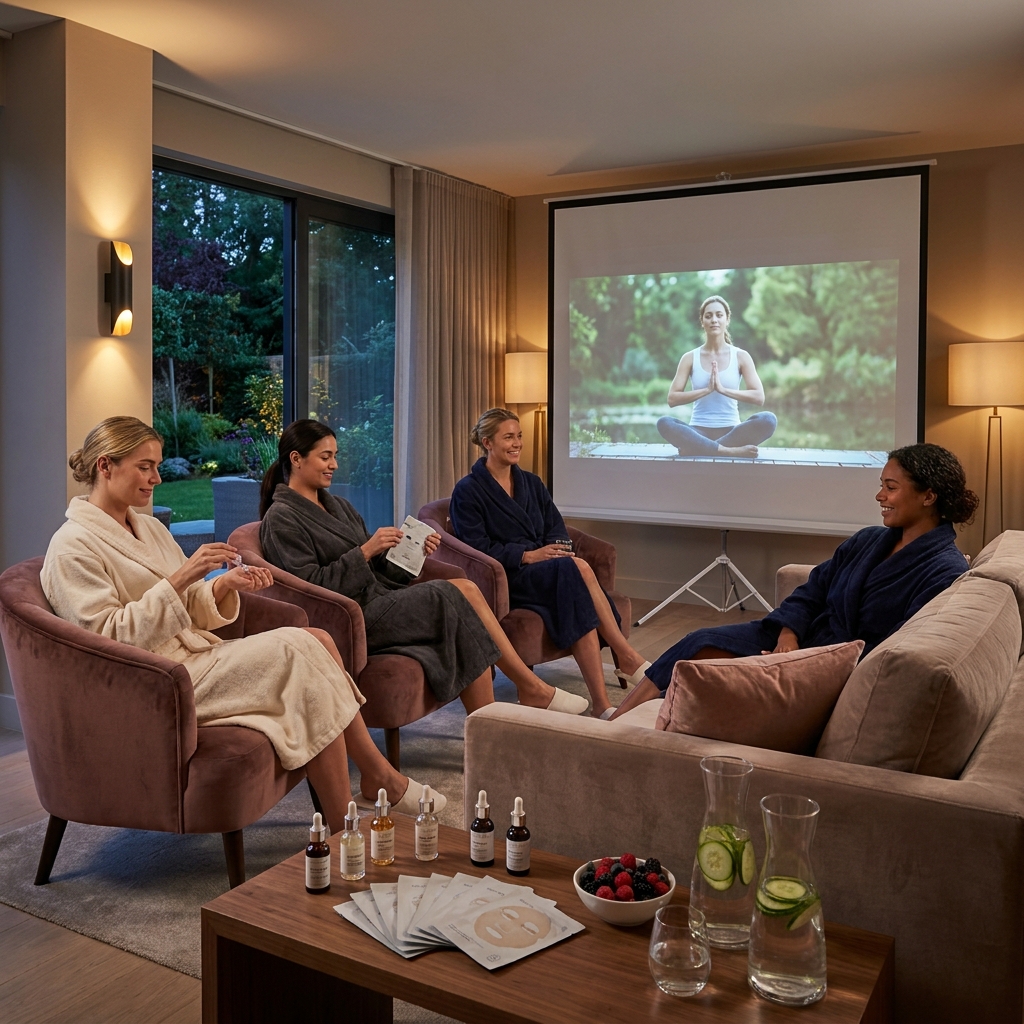
The physical setting of your wellness movie night should echo the same sensory cues that make your treatment rooms feel safe and nurturing. Lighting is the first lever to adjust, because you want enough softness for coziness while still allowing guests to see each other and move safely. Consider dimmable sconces or salt lamps instead of a fully dark theater-style room, which can feel jarring in a med spa. Scent and sound matter as well, so choose a subtle diffuser blend and a low-volume pre-show playlist that eases clients into a quieter state. When every design choice supports nervous system relaxation, clients arrive already halfway into a wellness mindset.
- Use plush throws and supportive cushions instead of rigid chairs.
- Keep walkways wide enough for staff to move discreetly with refreshments.
- Place small side tables for water, tea, and treatment samples within easy reach.
Think intentionally about where each guest will sit and what they will see when they look away from the screen. Branded visuals that quietly reinforce your focus on skin health, confidence, and whole-person care will feel more aligned than aggressive retail displays. Avoid clutter; visual noise can pull guests out of a restorative state and back into task mode. Offer a check-in station that feels like a welcome lounge, not a front desk, to gently transition clients from their day into the event. When the room itself feels like a treatment, the film becomes an added layer rather than the entire attraction.
- Arrange seating in loose clusters to encourage small-group conversation.
- Display a single, beautifully lit hero product instead of a packed retail shelf.
- Provide blankets laundered with fragrance-free products for sensitive skin guests.
Curating Films That Support Aesthetic and Wellness Goals
The movie you choose shapes both the mood of the night and the conversations that follow, so curating intentionally is vital. Look for films that center personal growth, rest, confidence, or gentle humor rather than intense plotlines that could spike stress. Documentaries related to skin, aging gracefully, or healthy habits can work well when balanced with warmth and hope. You can also select narrative films with characters whose journeys mirror themes your med spa supports, like self-acceptance or prioritizing self-care. When the story on screen reflects values you promote in your practice, it feels integrated, not random.
- Avoid overtly graphic medical content that may trigger anxiety.
- Steer clear of beauty narratives rooted in shame or unrealistic perfection.
- Favor films with natural pauses that lend themselves to brief discussion breaks.
Consider creating a recurring series theme so clients know what to expect from month to month. One season might focus on gentle wellness documentaries, while another highlights feel-good narratives about resilience and starting fresh. Invite your clinical team to weigh in on titles that naturally lead into topics they love to educate about, such as sun protection, skin barrier support, or pre- and post-treatment care. You can even involve clients by letting them vote on upcoming films, which creates a sense of ownership and anticipation. When the film list feels co-created, your community is more invested in attending regularly.
- Share short, values-based descriptions of each film in your invitations.
- Flag content warnings transparently so guests can make informed choices.
- Rotate genres to appeal to both long-time and first-time attendees.
Pairing Screen Time with Gentle Med Spa Experiences
To keep the focus on wellness, weave small, low-effort experiences around the movie that echo your clinical offerings without turning the evening into a hard-sell event. Pre-show mini rituals such as warm eye masks, guided breathing, or a short hand massage help guests drop into their bodies before the film begins. During the screening, you might offer quiet, optional chair-based treatments that do not require disrobing or complex consent, such as hydrating hand masks or cooling gel eye patches. These touches let clients sample your expertise in a relaxed way, which can reduce hesitation about booking fuller services later. When these moments are framed as gratitude gestures rather than promotions, guests receive them as care instead of marketing.
- Use unscented or lightly scented products to respect sensitive clients.
- Keep treatments under 10 minutes to avoid disrupting the film’s flow.
- Explain ingredients and benefits in a calm, conversational tone.
After the credits roll, consider brief, optional demos that relate directly to concerns raised in the film or by your guests. For example, if the storyline touched on stress and sleep, showcase a simple at-home skin ritual that protects the barrier overnight. If aging gracefully emerged as a theme, offer a short explanation of how collagen stimulation treatments support long-term skin health. Always prioritize education over urgency and invite questions without pressure to purchase. When guests associate your med spa with useful, digestible guidance, they become more open to exploring individualized treatment plans.
- Limit post-film education to one focused topic per event.
- Provide take-home cards summarizing key tips mentioned.
- Encourage clients to schedule consults later rather than on the spot if they prefer space.
Creating Connection Before, During, and After the Film
The most powerful outcome of a wellness movie night is often the sense of belonging it cultivates among your clients. Start building that connection from the moment guests arrive by offering simple conversation prompts or question cards related to the film’s themes. This gives even introverted attendees an easy way to say more than hello while waiting for the screening to start. During the movie, small shared reactions like laughter or recognition help strangers feel part of a temporary micro-community. Afterward, guided reflection prompts can deepen that bond, especially when centered on self-care rather than appearance critique.
- Invite guests to write one intention for their next month of self-care.
- Offer a quiet corner for those who prefer reflection over group discussion.
- Encourage staff to sit with guests instead of behind a desk.
Your team plays a key role in modeling the tone of the evening and keeping it grounded in kindness and respect. Encourage providers to share small, appropriate personal insights about sustainable routines, boundary-setting, or their own wellness practices. This balances their clinical authority with relatability and reduces the distance some clients feel from medical professionals. Capture feedback gently, asking what made guests feel safest, most relaxed, or most seen during the event. When clients notice you adjusting future movie nights based on their input, trust grows and attendance often follows.
- Train staff on trauma-sensitive communication and inclusive language.
- Assign a team member to quietly support anyone who seems overwhelmed.
- Follow up with a warm thank-you email that recaps key reflections.
Operational Details: Scheduling, Safety, and Staffing
Behind the scenes, thoughtful logistics ensure your wellness movie nights feel seamless and supportive rather than chaotic. Choose dates and times that align with your clients’ rhythms, such as slower midweek evenings when they are more likely to crave restoration. Consider limiting capacity to preserve a sense of intimacy and allow your team to give each guest real attention. Registration systems should be simple and clearly communicate what is included, how long the event lasts, and any age or health-related guidelines. When expectations are transparent, guests arrive more relaxed and open to the experience.
- Build in buffer time before and after for staggered arrivals.
- Confirm accessibility needs and preferred seating in advance.
- Prepare a brief, friendly script for safety reminders at the start.
Clinical safety remains a priority even when treatments are minimal and the atmosphere is casual. Ensure any products used during the event have appropriate approvals and that staff verify basic contraindications where relevant. Maintain clear boundaries between social experiences and medical consultations so clients never feel pressured to discuss private health details in a group. Staff should understand when to gently transition a question into a scheduled one-on-one consult instead. With these safeguards in place, guests can relax knowing their well-being is held to the same standard as during any formal visit.
- Keep emergency contact information and first-aid supplies readily available.
- Document any services provided, even if they are complimentary mini-treatments.
- Review event protocols regularly with both clinical and front-of-house teams.
Turning Movie Nights into Ongoing Relationship Builders
When your first wellness-focused movie night resonates, treat it as the opening chapter of an ongoing story rather than a one-off event. Create a simple name or series title that clients can recognize and look for on your calendar. Over time, themes can evolve to support your strategic goals, such as educating about seasonal skin care, introducing new modalities, or spotlighting healthy aging. The key is to keep the heart of the experience consistent: a calm environment, thoughtful films, gentle touchpoints with your services, and genuine community. Clients begin to view your med spa not just as a place to book treatments, but as a hub for their overall self-care journey.
- Offer loyalty perks tied to event attendance, like priority booking or small add-ons.
- Invite guests to bring a friend to naturally expand your community.
- Rotate hosts so different team members can build rapport with attendees.
Track qualitative and quantitative signals that your efforts are working, such as repeat attendance, new client referrals tied to events, and consults that reference movie night conversations. Pay special attention to whether nervous or price-conscious clients feel more comfortable exploring treatments after attending. Refine your programming so it remains genuinely nourishing instead of drifting into overly commercial territory. When wellness-focused movie nights consistently leave people feeling calmer, more informed, and more connected, they become one of the most authentic ways to grow your med spa’s reputation. Over time, your community will come to see these evenings as a cherished ritual where relaxation, education, and human connection meet.
- Capture stories and testimonials about how the events impact guests’ self-care.
- Adjust schedules seasonally based on attendance and client feedback.
- Keep your core promise clear: a gentle, restorative evening centered on well-being.