
Credentials First, Glow Second: Choosing Med Spa Providers Who Put Safety at the Center
A medical spa may feel like a retreat, but every injectable, laser, and device-based service is still a medical procedure. That means the person holding the syringe or operating the laser needs more than a good eye for beauty. They need formal training, a current license, and a deep understanding of anatomy and safety. Evaluating provider credentials is the most reliable way to confirm that expertise before you commit to a treatment plan. When you know what to look for, choosing the right provider becomes a confident, informed decision instead of a gamble.
From Spa Day to Medical Procedure: Treating Aesthetic Care as Healthcare
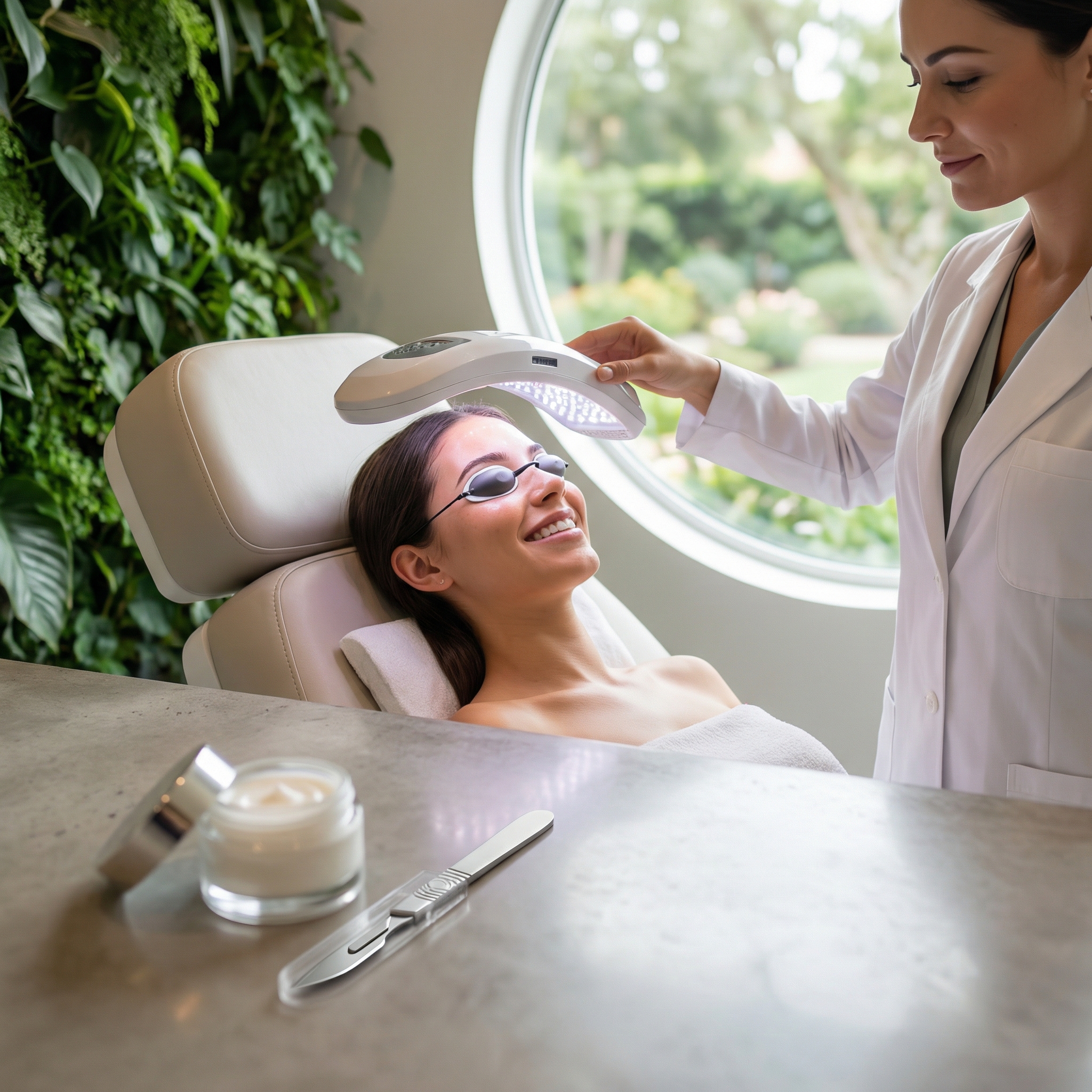
Many guests arrive at a med spa expecting a relaxing beauty service, not realizing how medical each treatment really is. Neuromodulators, dermal fillers, energy-based devices, and even certain facials can reach deeper layers of the skin and tissue. These procedures can deliver impressive results, but only when performed by someone who understands both aesthetics and health. Seeing your appointment as a medical visit helps you prioritize credentials, not just ambiance or price. It reframes your choice of provider as a health decision that protects your face, body, and long-term confidence.
Credentials matter because even low-risk procedures carry some level of potential complication. A well-trained provider anticipates those risks and plans to prevent them. They also know how to recognize a complication early and intervene appropriately. Instead of assuming every treatment is routine, they approach each one with clinical vigilance and a personalized strategy. That mindset is rooted in their education, licensing, and ongoing training.
Decoding Titles: Who Is Actually Qualified to Treat You
When you walk into a medical spa, you may see many different titles on name tags and business cards. Each one signals a different level and type of training. Understanding these roles helps you match your treatment to the right professional. It also makes conversations about scope of practice more natural and respectful. A clear grasp of titles lets you ask better questions instead of feeling intimidated by medical language.
Common provider titles you may encounter include:
- Physician (MD or DO) with training in aesthetics, dermatology, plastic surgery, or related specialties.
- Advanced practice providers such as Nurse Practitioners (NP) or Physician Assistants (PA) with focused aesthetic experience.
- Registered Nurses (RN) and licensed aestheticians working within their legal scope under medical oversight.
In a properly structured med spa, a physician medical director provides oversight, protocols, and support for the clinical team. Day-to-day, you may be treated by an injector or laser specialist who has been trained and delegated specific procedures. Regulations vary by state, so different licenses may be allowed to perform different services in different locations. Regardless of the model, you should always be able to clearly identify who is responsible for your care and what training they have completed.
Training That Protects You: Anatomy, Devices, and Emergency Skills
Cosmetic results may be the most visible part of your treatment, but safety training is what protects you beneath the surface. Providers who perform injectables need a deep knowledge of facial anatomy, vascular structures, and how product behaves in various tissue planes. Those who use lasers and devices should understand skin types, energy settings, and how to avoid burns or pigment changes. Robust training programs combine classroom education, supervised hands-on practice, and competency assessments. When a provider invests in this level of preparation, your results benefit and your risk profile improves.
Another critical layer of training involves what happens when something unexpected occurs. Even with excellent technique, side effects and rare complications can happen. Providers who are prepared will have:
- Up-to-date emergency response skills, including basic life support and anaphylaxis protocols.
- Clear, written procedures for managing complications such as vascular occlusion, burns, or infections.
- Regular drills and team communication practices so everyone knows their role during an urgent situation.
When a med spa prioritizes this kind of training, you can feel confident that your safety has been considered from every angle, not just during marketing or consultation.
Aligning Credentials With Specific Aesthetic Treatments
No single provider is the ideal choice for every procedure, and strong credentials help clarify where each person excels. An injector with extensive experience in neuromodulators and fillers may be the right fit for facial contouring and wrinkle softening. A laser specialist with advanced device training may be better suited for resurfacing, hair removal, or pigment work. Aesthetic-focused physicians often take the lead on more complex or combination treatment plans. Matching the right expertise to the right treatment ensures your provider is working within their strengths instead of stretching beyond their skill set.
When you are planning a specific service, ask how your provider’s background connects to that procedure. You might hear about years of experience, specialized courses, or device-specific certifications. Look for clues that they have focused depth in your treatment area, not just general exposure. Helpful examples include:
- For injectables, regular advanced injection training and a history of treating cases similar to yours.
- For lasers and energy devices, manufacturer training plus additional education in safe parameters for different skin tones.
- For skin health programs, a mix of medical knowledge and product education that supports long-term, staged treatment planning.
This alignment between credentials and treatment type is a strong indicator that your provider is prepared to customize care safely.
Verifying Credentials Without Feeling Awkward
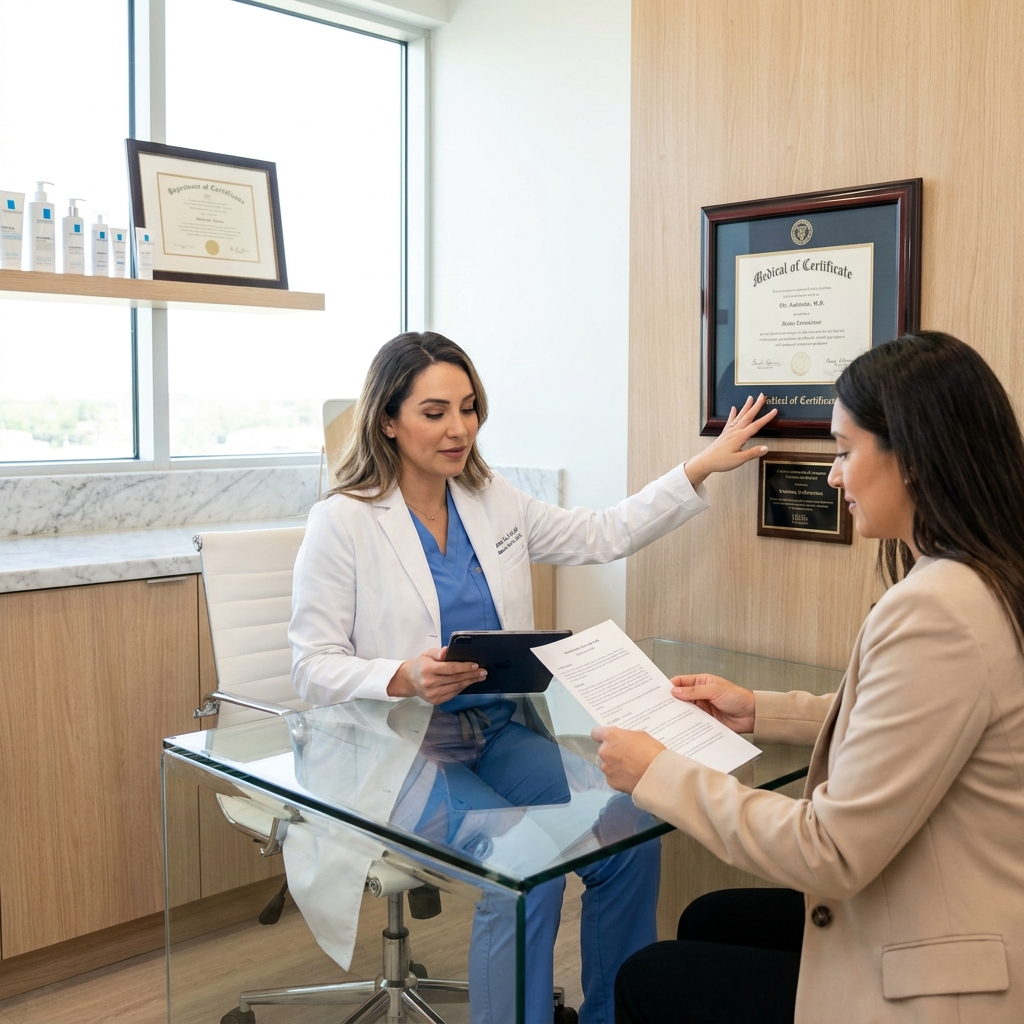
Asking about credentials can feel uncomfortable, but in a professional med spa it should be welcomed. Reputable providers understand that informed guests are safer guests, and they will happily explain their training. Start by looking for posted licenses, certificates, and the name of the medical director in your treatment area or reception. Many practices also include provider bios on their website or intake materials. If details are hard to find, that in itself is valuable information.
You can keep the conversation simple and respectful by asking clear, direct questions such as:
- What is your license and how long have you been performing this specific treatment?
- What formal training or certifications do you have in this procedure or device?
- How does your team handle rare complications or emergencies if they arise?
A confident, qualified provider will answer without defensiveness and may even share additional information you did not know to ask. Their openness is part of the trust you are building together.
Warning Signs That Compromise Safety and Results
Just as strong credentials inspire confidence, certain patterns should make you pause. If a provider avoids questions about training or changes the subject quickly, that is a concern. The same is true if no licenses or certificates are visible anywhere in the space. Extremely rushed consultations, heavy pressure to buy packages, or dismissive responses to your medical history all suggest that safety may not be the priority. When in doubt, trusting your instincts and stepping back is more protective than proceeding with uncertainty.
Specific red flags to watch for include:
- Pricing that seems far below the norm without a clear, transparent explanation.
- Promises of guaranteed results or zero risk for medical procedures.
- A lack of aftercare instructions or unclear guidance about who to contact if something feels wrong later.
If you encounter any combination of these signs, consider scheduling consultations at other med spas to compare experiences. Seeing how a highly credentialed team operates will highlight the difference.
When Strong Credentials Shape a Personalized Treatment Plan
Credentials are not just about avoiding problems; they also enhance your overall experience. A well-trained provider uses medical knowledge to tailor treatments to your skin type, anatomy, and lifestyle. During consultation, they connect your goals with realistic options, potential downtime, and long-term maintenance. They consider your medical history, medications, and previous procedures before recommending anything. This thoughtful approach is a direct reflection of their education, supervision, and commitment to ongoing learning.
Over time, working with credentialed professionals turns sporadic treatments into a strategic, safe aesthetic journey. You gain a trusted partner who tracks your responses, refines your plan, and advises you when a trend is not in your best interest. Each visit becomes an opportunity to reassess your goals with expert guidance. In this kind of relationship, evaluating credentials is not a one-time task but the foundation for every treatment decision. The result is confidence not only in how you look, but in how you are being cared for at every step.