
Routines That Turn Professional Skincare Into Visible Skin Change
Medical-grade skincare routines sit at the intersection of science and aesthetics, giving your medical spa a clear path from treatment plan to visible skin change. These formulas are designed to work with the skin at a deeper level than most over-the-counter products, which means they can support more predictable outcomes. When paired with professional services, they help refine skin texture and balance tone in a way clients can actually see and feel. Instead of hoping a product works, you can show progressive changes over time with photos, imaging, and clinical observation. That is the difference between a random product collection and a strategic, results-driven skincare routine.
From Product Experimenting To Clinical-Grade Strategy
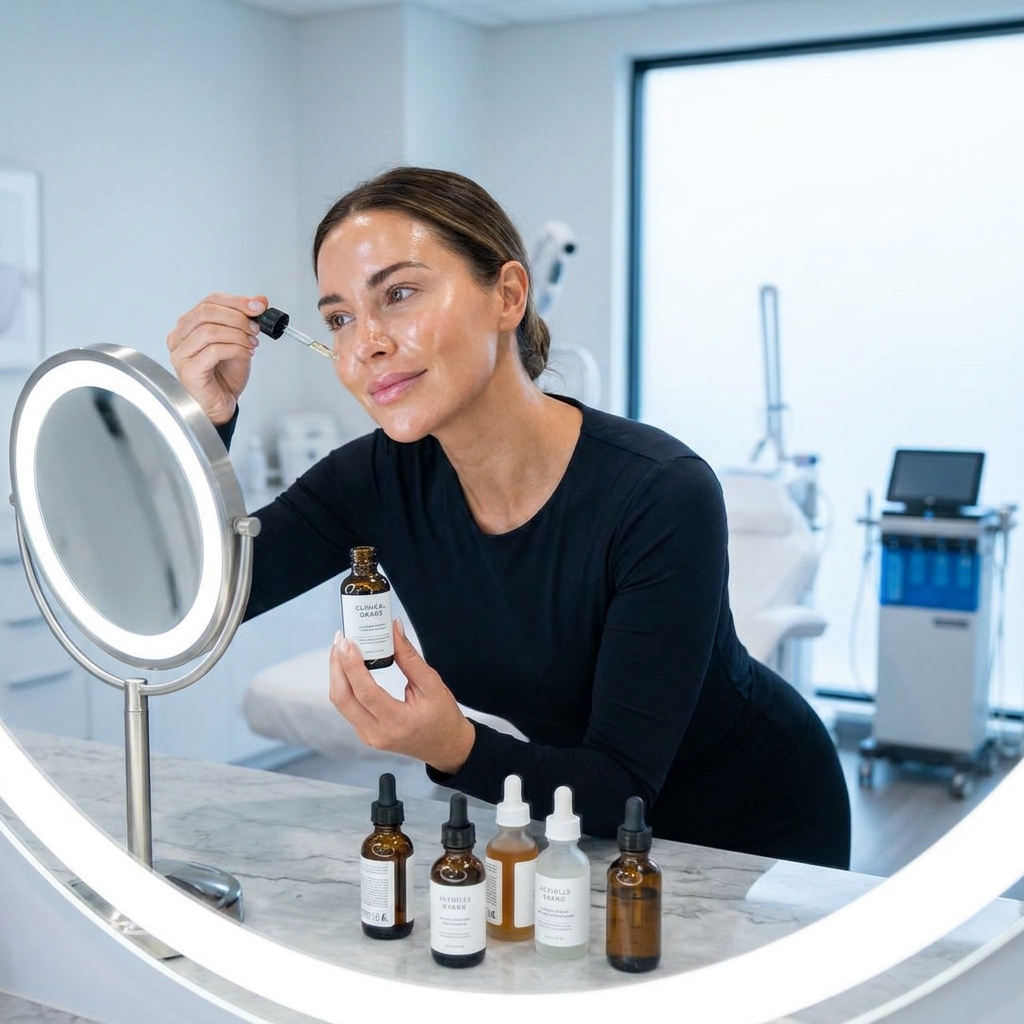
Many new med spa clients arrive with cabinets full of half-finished products and no clear routine, and their skin usually reflects that trial-and-error approach. Medical-grade skincare shifts the focus from impulse purchasing to protocols rooted in skin science and supervised by licensed professionals. These products often feature higher concentrations of active ingredients and are formulated for better penetration and stability, which supports more consistent change in the skin. When your providers design a routine, each step plays a specific role in improving texture, tone, or barrier health. Instead of guessing, your team uses a structured plan that can be adjusted as the skin responds.
This strategy also strengthens the clinical integrity of your brand, because every product recommendation ties back to a treatment goal. Your team can explain why a cleanser was chosen, how a serum supports a laser series, and what a moisturizer is doing between peels. Clients understand that their at-home routine is not optional; it is part of the treatment itself. This perspective encourages better adherence because people are more likely to follow a plan that feels professional, personal, and purposeful. Over time, that consistency is what produces smoother, clearer, more even-looking skin.
Designing Texture-Focused Routines Around In-Clinic Treatments
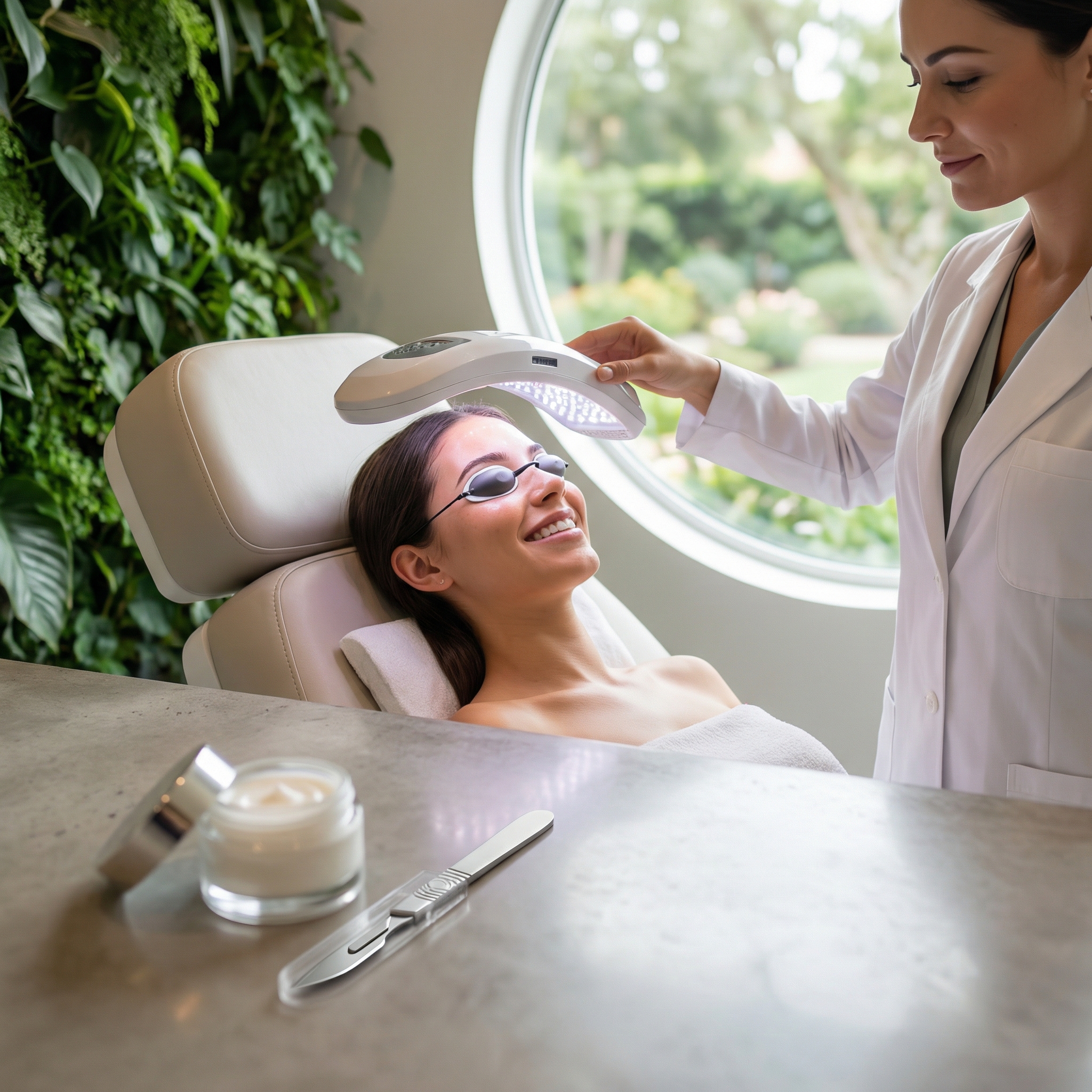
When your medical spa offers procedures like microneedling, chemical peels, or laser resurfacing, texture becomes a central outcome clients watch closely. Medical-grade routines allow you to support each phase of the skin cycle around these services: pre-conditioning, active treatment, and recovery. Before a procedure, targeted cleansers, antioxidants, and exfoliants can help normalize cell turnover and reduce buildup that makes skin look rough. Afterward, barrier-supportive products and calming actives maintain comfort while still promoting renewal. Each stage is mapped intentionally so the skin is never left without guidance.
Aligning routines with your treatment calendar also keeps client expectations realistic and grounded in a timeline. Providers can explain when skin may feel temporarily dry or flaky, when it should appear smoother, and when tone improvements usually become more noticeable. This transparency makes the process feel collaborative rather than mysterious. Clients recognize that the procedure initiates change, while their daily routine shapes how well that change is maintained. When they follow instructions, they can connect the dots between their diligence at home and the refined texture they see in the mirror.
Key Actives That Refine Skin Surface
Texture-related concerns often come from excess buildup on the surface, sluggish cell turnover, or early collagen changes beneath the skin. Medical-grade skincare addresses these issues with carefully balanced active ingredients chosen for their ability to support renewal. Retinoids are frequently used to encourage more efficient shedding of dead cells and to improve the look of fine lines and enlarged pores. Exfoliating acids, when professionally selected and dosed, can reduce rough patches and help skin feel more even to the touch. Peptide and growth-factor technologies may also be included to support the appearance of firmness in long-term routines.
Because these ingredients can be powerful, professional oversight is crucial to avoid irritation while still achieving meaningful change. Your clinical team can determine ideal starting strengths, recommend appropriate frequencies, and sequence actives so that the skin builds tolerance over time. This careful ramp-up helps clients experience visible refinement without unnecessary setbacks. Providers can also pause or adjust certain products around in-clinic treatments to protect the barrier. That level of customization is challenging to replicate with generic retail products that do not account for a full med spa treatment plan.
Layered Strategies That Target Uneven Tone
Uneven tone rarely has a single cause, which is why clients are often disappointed by one-step brightening products. In a medical spa setting, medical-grade skincare allows you to layer complementary ingredients that address different drivers of discoloration. Antioxidants like vitamin C can help defend against environmental stressors that contribute to dullness. Brightening complexes may use multiple agents to soften the appearance of dark spots and blotchiness. Daily broad-spectrum sunscreen, chosen thoughtfully, becomes the non-negotiable anchor that protects every gain your client makes.
Because tone concerns are often emotionally charged, structure and education matter as much as the products themselves. Providers can explain that pigmentation often fades gradually and may respond differently across various areas of the face or body. Regular follow-ups allow you to adjust strengths, add supportive hydrators, or incorporate new actives as the skin tolerates them. This ongoing fine-tuning helps prevent plateau and gives clients confidence that their plan is evolving with their skin. Over time, they see that consistent medical-grade care produces a more uniform, luminous look rather than fleeting brightness.
Turning Progress Into Data Your Clients Can See
One of the strongest advantages of medical-grade routines in a med spa is the ability to measure progress in concrete ways. Baseline photography, digital complexion analysis, or close-up texture images give clients an objective starting point. As they return for follow-up visits, side-by-side comparisons make it easier to see subtler changes that daily observation can miss. Providers can point out smoother areas around the cheeks, less visible pore patterns on the nose, or more even coloration across the forehead. This visual storytelling reinforces that small daily actions truly add up.
Beyond imaging, your team can track other indicators that matter to clients, like makeup sitting more smoothly or skincare products absorbing more evenly. Simple, structured questions at each visit help capture these experiences in a consistent way. You might ask whether rough patches feel smaller, whether new spots have appeared, or whether the skin feels more balanced between dry and oily. Documenting these patterns turns subjective feedback into useful clinical information. It also allows you to refine protocols while showing clients that their experience is being heard and used to shape their care.
Custom Protocols For Different Skin Profiles
Not all skin textures and tones respond the same way, even when using medical-grade products. Your med spa’s expertise shines when you tailor routines to specific profiles rather than offering one-size-fits-all kits. Oily and breakout-prone clients may benefit from lightweight, non-comedogenic formulas that address congestion without stripping the barrier. Dry or mature skin might need richer textures and barrier-repair ingredients to prevent flaking as actives increase cell turnover. Sensitive or redness-prone clients often require a slower introduction of exfoliants and retinoids paired with calming, supportive layers.
During consultations, providers can segment clients into clear protocol categories while still leaving room for personalized adjustments. Intake forms, photos, and a focused skin history support good decision-making from the start. Over time, your team can move clients from more basic introductory routines into advanced regimens as the skin becomes stronger and more resilient. This progression keeps engagement high, because clients feel they are graduating into new levels of care. As routines evolve, so do the visible improvements in smoothness, radiance, and uniformity of tone.
Coaching Clients To Maintain Long-Term Texture And Tone Gains
Even the most sophisticated routine fails without consistent use, which is why coaching is a critical part of any medical-grade skincare program. Your team can simplify steps so clients know exactly what to do morning and night without confusion. Clear written instructions or treatment cards reinforce verbal guidance and reduce the chance of misuse. Follow-up check-ins provide opportunities to troubleshoot challenges like dryness, sensitivity, or schedule obstacles. By treating coaching as a core service, you turn adherence from a burden into a supported habit.
When clients understand that their daily routine is an extension of the treatment room, they view skincare as part of their aesthetic investment rather than an optional add-on. Over months, those habits preserve the smoother texture and more even tone you worked to achieve together. Clients notice that results last longer between procedures, and their baseline skin quality continues to climb. This experience builds trust and naturally encourages them to stay within your ecosystem for future concerns. In the end, medical-grade skincare routines become one of the most powerful tools your med spa has for delivering measurable, lasting improvements.