
Linking new health research to everyday med spa care
Recent clinical studies are quietly reshaping how your guests think about diet, medications, skin appearance, and long-term health. Even though medical spas are not primary care clinics, these findings influence the questions people bring into your treatment rooms.
When your team understands the science headlines your clients are reading, you can respond with calmer explanations, safer boundaries, and more thoughtful recommendations. Here are several new research snapshots and what they can mean for modern medical spa practice.
Gut changes, inflammation and comfort-focused consultations
In a 12-week randomized, sham-controlled trial of 98 adults with migraine, a personalized elimination diet that removed IgG-positive foods changed the gut microbiome. Compared with a sham elimination diet, this approach also produced a greater reduction in serum zonulin, a marker related to gut barrier function.
The microbial changes were associated with previously reported reductions in CGRP and IL-6, and with improvements in migraine and sleep, although the authors emphasized that these links remain exploratory. For a medical spa, the key takeaway is not to treat migraines, but to recognize that many clients are experimenting with food eliminations in pursuit of better comfort and sleep.
Questions that respectfully open this conversation
- “Have you made any recent changes to your diet or eliminated certain foods?”
- “Are you working with a medical provider on gut or migraine concerns?”
- “How is your sleep right now, and do you notice it affecting your skin or treatment recovery?”
These questions keep you within scope while acknowledging that gut-related choices can influence how clients feel coming into (and recovering from) aesthetic procedures.
GLP-1 medications and safer weight-loss messaging
Use of GLP-1–based drugs for weight loss is rising, and new commentary is urging more caution. An editorial in Diabetology International argued that inappropriate GLP-1 use should be judged not only by regulatory rules or off-label status, but also by whether weight reduction is medically safe, nutritionally adequate, and properly supervised.
Drawing on Japanese reports of ketosis and ketoacidosis following inappropriate tirzepatide use, the authors call for greater attention to unsafe weight-loss practices alongside medication-related harms. For medical spas, this reinforces the importance of avoiding casual weight-loss promises and encouraging physician supervision when guests mention these drugs.
Safer ways to respond when guests ask about GLP-1s
- Emphasize that any GLP-1 prescription or dose change must be guided by the client’s medical provider.
- Ask whether their nutrition plan is being monitored so that rapid weight loss does not compromise health.
- Position body-contouring or skin-tightening services as cosmetic complements, not substitutes for supervised medical weight management.
Different diets, similar weight loss, and what your team can safely say
In a randomized controlled trial of people with metabolically unhealthy obesity, approximately 10% weight loss improved insulin sensitivity and several cardiometabolic measures across three diets: ketogenic, Mediterranean, and very-low-fat plant-forward approaches. On the scale, the story looked similar across all three patterns.
However, the very-low-carbohydrate ketogenic diet produced larger improvements in hepatic insulin sensitivity and greater reductions in liver fat and several glucose and insulin measures than the higher-carbohydrate diets. For aesthetic teams, this highlights that two guests with “the same” weight loss may arrive with very different internal metabolic changes depending on how they lost that weight.
Intake points that respect your clinical boundaries
- Include a simple question about current nutrition approaches (for example, higher-carb, plant-forward, or very low-carbohydrate) without judging the choice.
- Note any history of fatty liver or metabolic conditions so you can coordinate timing and intensity of treatments with the client’s physician when appropriate.
- Avoid recommending specific medical diets; instead, encourage guests to discuss options with their healthcare team if they raise these topics.
Skin tone as a possible window into fruit and vegetable intake
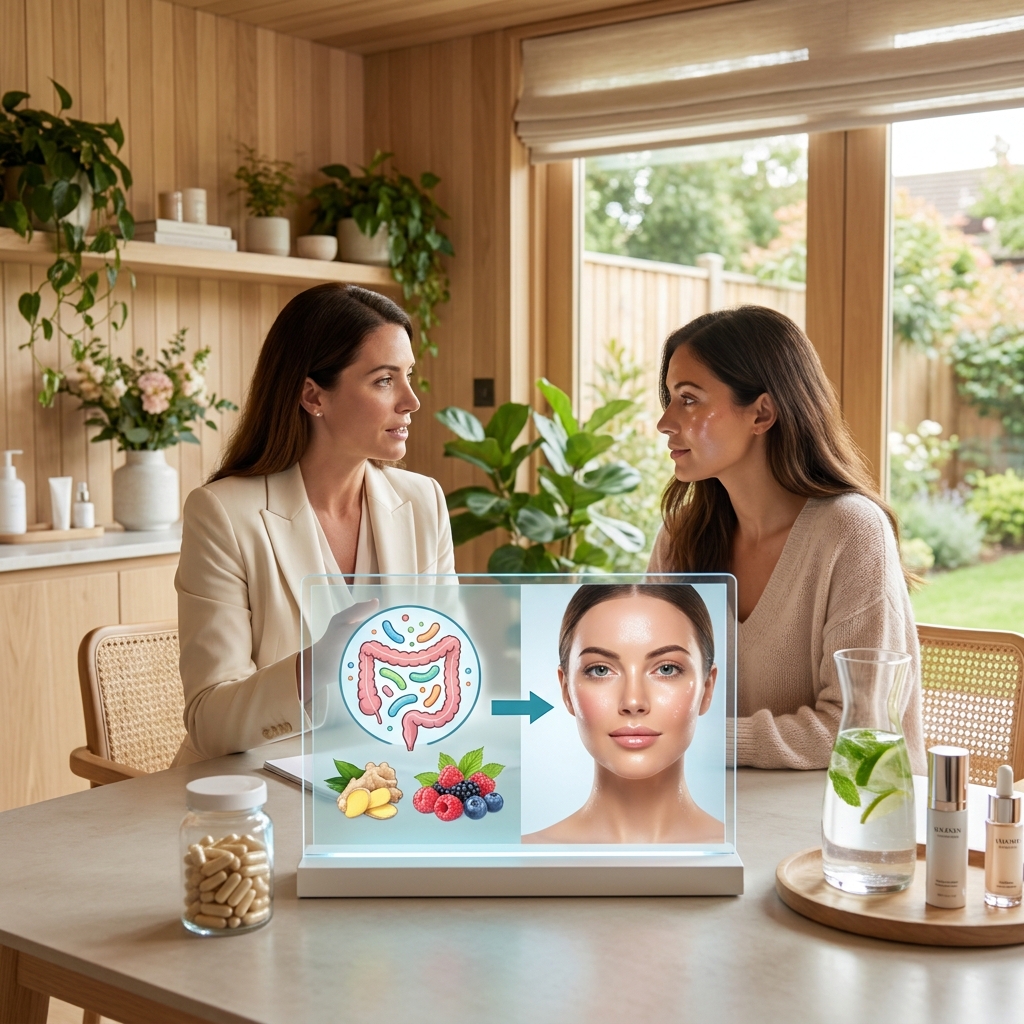
An exploratory study of 137 Australian adults found that skin yellowness, measured by reflectance spectroscopy, was associated with combined fruit and vegetable intake, fruit intake alone, total carotenoid intake, body fat percentage, and skin color. The researchers suggest these measurements could offer an objective dietary biomarker.
At the same time, they caution that skin color, ethnicity, and other individual characteristics may influence how such measurements are interpreted. For medical spas, this reinforces a familiar idea with new data behind it: in some people, diet may subtly show up on the skin’s surface, but the picture is never one-size-fits-all.
Bringing this insight into your skin consultations
- Frame nutrition questions as supportive, not judgmental: “Would you like tips on how lifestyle, including fruits and vegetables, can support your results?”
- Acknowledge that skin appearance is influenced by many factors, including genetics, body composition, and cultural background.
- Use any discussion of diet to reinforce adherence to at-home skincare and sun protection, not to replace them.
Heart and brain research that supports whole-person messaging
Several recent studies connect cardiovascular risk factors with brain outcomes. In a community-based trial in rural China, an intensive blood-pressure–lowering intervention reduced the incidence of dementia compared with usual care. Another study reported that early initiation of statins after a diagnosis of type 2 diabetes was associated with a lower risk of dementia.
In people with diabetes, better cardiovascular health measured using Life’s Essential 8 was associated with a lower risk of mild cognitive impairment after accounting for genetic susceptibility. Higher scores were also linked to greater gray matter volume and lower white matter hyperintensity volume, while dementia associations varied by genetic risk.
Exercise research also continues to evolve. An exercise program that combined short-term supervision with long-term home-based exercise was associated with reduced atrial fibrillation burden and other meaningful benefits.
These findings belong firmly in the medical domain, yet they shape how clients define “anti-aging.” Many now see blood pressure control, lipid management, and regular movement as part of their beauty and longevity strategy. Med spas can respectfully echo this by celebrating collaborations with cardiology, primary care, and fitness professionals rather than promising direct brain or heart benefits from aesthetic services.
Digital and predictive tools: a preview of more personalized health conversations
Digital technologies are also reshaping the broader health landscape. Recent features highlight how digital tools are transforming clinical research, public health readiness, health care institutions, and consumer choices. In parallel, researchers at Florida Atlantic University have developed a quantum framework aimed at improving early prediction of heart disease.
For medical spas, these developments hint at a future where guests arrive with more data, more reports, and more personalized risk scores from outside the aesthetic setting. Being ready means training your team to listen, to encourage clients to share those reports with their physicians, and to keep your own recommendations grounded in the cosmetic outcomes you can safely deliver.
Bringing it all together in your med spa
From gut-focused elimination diets and GLP-1 debates to subtle skin color cues and heart–brain research, today’s science news is shaping tomorrow’s aesthetic expectations. None of these studies turn a medical spa into a diagnostic clinic, but they do give your team richer context for thoughtful, boundaries-respecting conversations.
By updating your intake questions, refining your referral language, and weaving in simple, science-aware talking points, you help clients connect their aesthetic goals with safer, better-informed health choices. That combination of beauty, clarity, and care is what keeps modern medical spas relevant in a rapidly evolving health landscape.