

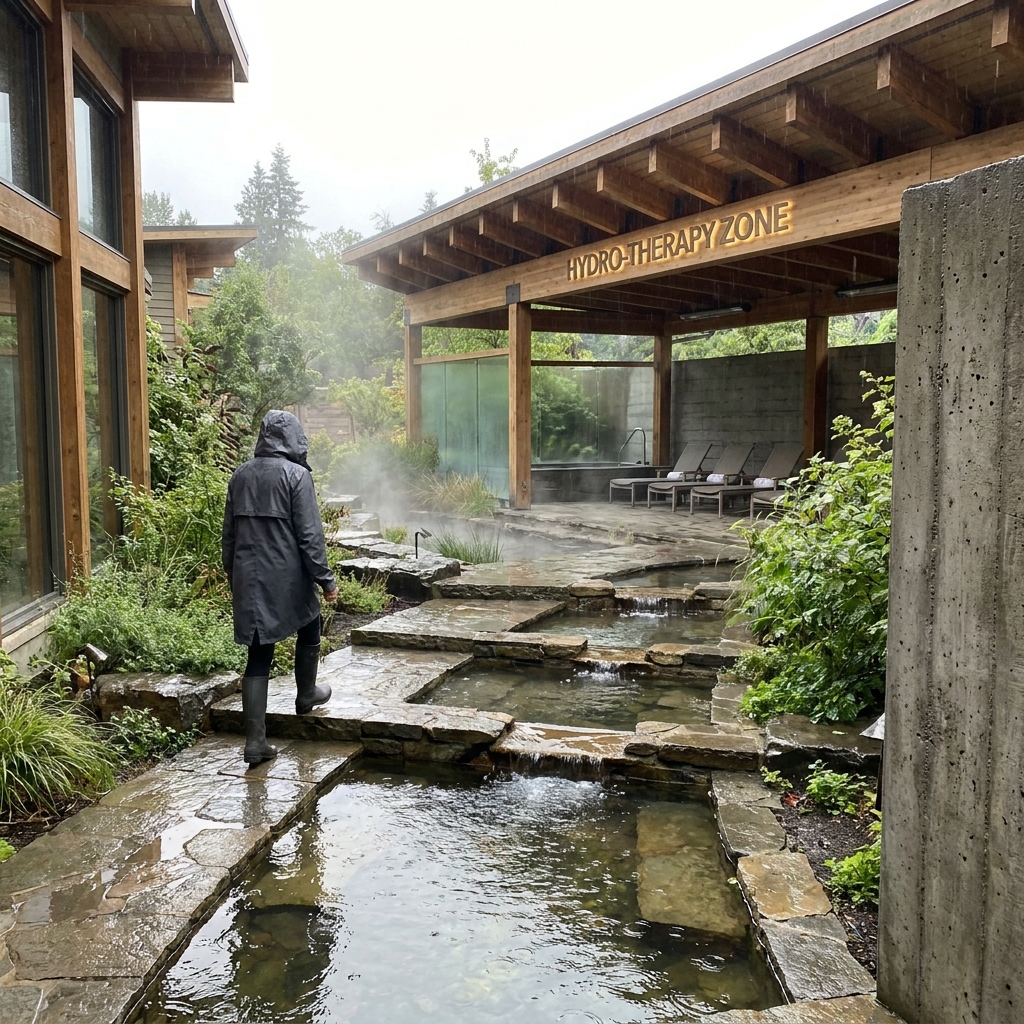
Rain-Kissed Spaces Where Skin Health Meets Land Stewardship
Clients come to your medical spa for healthier, more radiant skin, yet the landscape outside your doors quietly shapes how they feel about your care. Standing water in the parking lot, eroded mulch beds, and scorched lawn strips do not communicate science-backed rejuvenation or thoughtful wellness. Rain gardens and eco-drainage projects give you a practical way to manage stormwater while turning every rainfall into a sensory, soothing backdrop for your brand. Instead of runoff rushing toward storm drains, water is slowed, filtered, and absorbed by designed plantings that mirror your focus on cleansing and renewal. This is more than curb appeal; it is a visible promise that your commitment to healing extends from the treatment bed to the land itself.
From Stormwater Challenge to Healing Landscape Asset
Most med spa sites are dominated by hard surfaces such as roofs, driveways, and parking areas that push rainwater straight into gutters and drains. That fast-moving runoff can pick up oil, debris, and chemicals, then pool near entrances or paths where clients walk in open-toe shoes after a pedicure or mild resurfacing treatment. A rain garden is a shallow, planted basin designed to catch this runoff, hold it temporarily, and let it slowly soak into the soil. Eco-drainage systems extend that concept with features like swales, permeable pavers, and discreet channel drains that move water gently instead of violently. The result is a calmer, greener arrival experience that visually reinforces the idea of detoxification and balance your aesthetic practice talks about every day.
Brand and Client Experience Benefits of Rain Gardens
A well-placed rain garden does more than solve a drainage issue; it becomes an ambient wellness feature that clients associate with your care. Gentle movement of ornamental grasses, droplets clinging to leaves, and visiting pollinators all create micro-moments of restoration before and after appointments. Clients often photograph beautiful surroundings, which quietly amplifies your brand on their social feeds without feeling like an advertisement. The visual of clean water being absorbed into lush plantings supports conversations about protecting the skin barrier from environmental stressors. Over time, your site begins to feel less like a strip-center business and more like a small sanctuary that clients are eager to revisit.
- Frame treatment room windows with views of rain gardens instead of asphalt or neighboring rooftops.
- Locate quiet seating near the garden so clients can decompress before injectable or laser appointments.
- Use the garden as a backdrop for before-and-after photos, reinforcing a narrative of natural renewal.
- Incorporate the garden into video tours that highlight your clinical expertise alongside your environmental care.
Designing a Rain Garden Specifically for Med Spa Guests
Rain gardens at medical spas have different requirements than those at private homes or public parks, because your guests arrive with heightened sensory awareness after treatments. Prioritize plants with soft forms and limited pollen to support guests who may be sensitive or recovering from procedures that temporarily heighten reactivity. Choose species that provide structure in all seasons, so the garden looks intentional in winter as well as during peak bloom. Paths, benches, and viewing areas should be designed for people moving carefully after body treatments or wearing sandals, with non-slip surfaces and gentle transitions. Work with a landscape professional who understands both stormwater dynamics and guest comfort, and share your treatment menu so they can align fragrance, color, and privacy with the experiences you offer.
- Select layered plantings: deep-rooted natives for filtration, low groundcovers to prevent erosion, and taller accents to frame views.
- Favor subtle scents over overpowering florals so aromas complement, rather than compete with, post-treatment products.
- Include night-friendly features, such as low, shielded lighting, so evening clients still enjoy a calming garden presence.
Eco-Drainage that Protects Your Building and Your Investment
Stormwater that is not managed thoughtfully can undermine foundations, stain facades, and create icy or slippery conditions around your med spa, all of which erode guest confidence in your professionalism. Eco-drainage design looks at the entire site, guiding water away from doors and treatment room windows into rain gardens or vegetated swales where soil and roots can do the filtering. Permeable pavements in selected parking bays or walkways can allow water to pass through instead of pooling where clients step out of their vehicles. Roof downspouts can be redirected into landscaped basins that double as design focal points near your main entrance. By addressing water pathways at the planning stage or during a renovation, you can reduce long-term maintenance issues while showing clients that your attention to detail extends well beyond equipment and protocols.
Weaving Water Stewardship into Treatment Journeys
Thoughtful storytelling can turn your rain garden and drainage choices into a natural extension of the education you already provide about skin and wellness. Just as you explain how lymphatic drainage supports tissue health, you can draw a connection to how the land around your spa slows and filters water. Intake forms, digital displays, and provider scripts can briefly reference your stormwater-conscious design as part of your safety and wellness philosophy. When clients relax in a lounge overlooking the garden, they are primed to understand why hydration, circulation, and barrier protection matter for their results. These small touchpoints reinforce the message that your med spa takes a systems-level approach to beauty: not quick fixes, but holistic care for both people and place.
- Invite guests to enjoy two mindful minutes of breathing while observing the rain garden before facial or injectable sessions.
- Include a short note about your water-wise landscape on post-treatment care cards or email follow-ups.
- Host occasional open-house events where clinicians and landscape partners explain the parallels between skin detox and water filtration.
Operations, Maintenance, and Team Training
Like any part of your facility, a rain garden and eco-drainage system need consistent, thoughtful care to deliver their full value. Assign clear responsibility for routine tasks such as checking inlets after storms, removing trash, and monitoring plant health, just as you would for sterilization or room turnover. Train your front-desk and clinical teams to speak confidently about the garden and drainage features so they can answer client questions without overpromising results or making technical claims. Coordinate with your landscape provider to avoid harsh chemicals or blowing debris toward doors where clients might inhale or step on residues. With a simple seasonal checklist and a small budget line, your water-wise landscape can function reliably while remaining aligned with the clean, clinical standards your practice upholds.
- Establish quarterly walk-throughs that include both your practice manager and landscape professional.
- Document basic garden talking points so all staff use consistent, brand-appropriate language.
- Review drainage performance after major storms and adjust plantings or grading as needed with professional guidance.
Launching Your First Eco-Drainage Project on a Realistic Budget
Creating a fully integrated network of rain gardens and eco-drainage elements does not have to happen all at once for your med spa to benefit. Start with one visible, high-impact area, such as a rain garden that captures water from a main roof downspout near your entrance. Another phased approach is to retrofit a single row of parking with permeable pavers and direct overflow toward a planted swale. Over time, you can connect these features, gradually reducing runoff while adding beauty and meaning to your outdoor spaces. By pairing each physical improvement with clear messaging about your commitment to responsible water and land care, you turn every rainy day into proof that your brand’s promise of renewal is rooted in how you treat both clients and the environment.